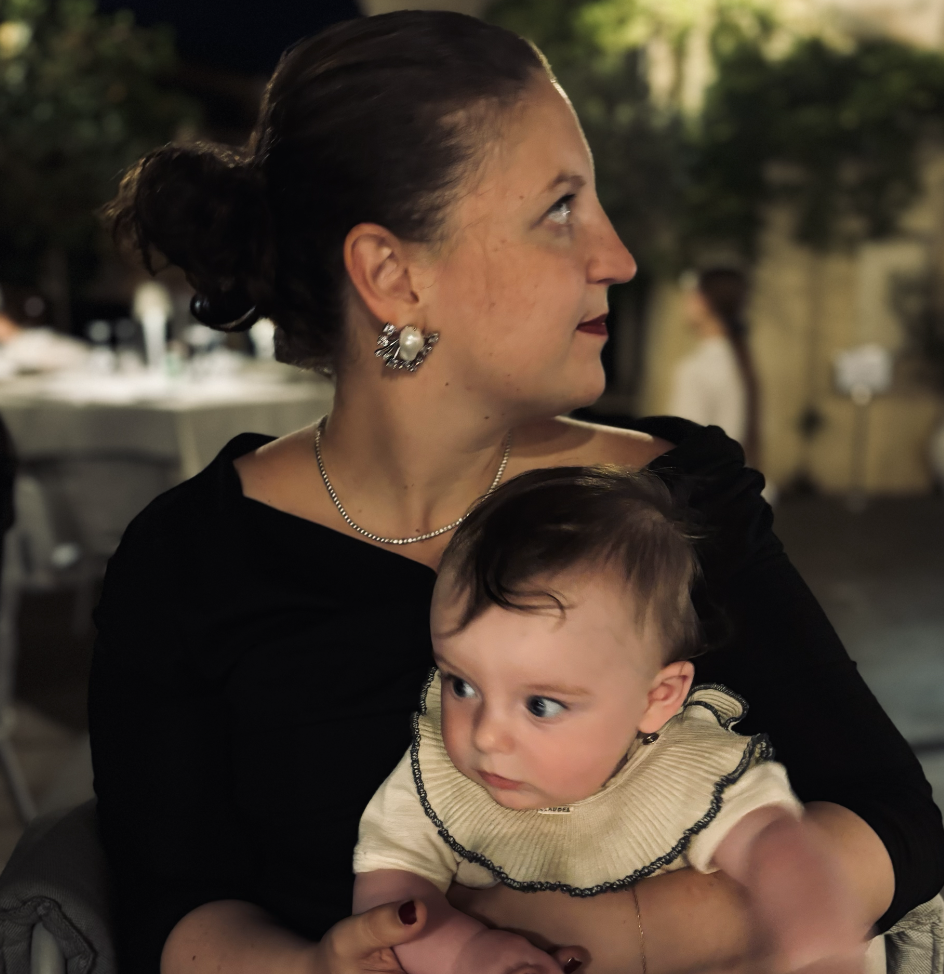
I recently came across an episode of Diary of a CEO featuring, Deborah Frances-White, Louise Perry, and Erica Komisar discussing feminism, and it compelled me to write this. Not because the conversation was specifically about boys, but because it surfaced ideas that, as a mother, I’ve felt need more space to be heard.
It tapped into numerous topics surrounding early years development, parenting crisis & why fewer people are having children - to name a few. But it was all discussed under the theme of feminism.
It’s a two-hour conversation, so I wanted to pull out a few key reflections that feel particularly relevant to the BoyHood community.
01) Our relationship with motherhood
When someone introduces themselves as a stay-at-home mother, there can still be an undercurrent of judgement—a quiet demonisation of the role. We’ve become so wrapped up in the idea that women must do everything—build careers, raise children, run homes—that choosing to focus fully on caregiving can be misread as a lack of ambition or progress. But that couldn’t be further from the truth.
Motherhood is both the most rewarding and the most demanding role I’ve ever taken on. It doesn’t switch off. There are no weekends, no real pauses. And for those who choose caregiving as their central purpose, there should be far more recognition and respect. They are carrying forward something fundamental and timeless—raising the next generation, one life at a time.
02) The reality of parenting penalties
Living in the UK, it can often feel as though parenthood—particularly motherhood—comes with a quiet penalty. Choosing to have a family is no longer something that unfolds naturally; it’s layered with financial, emotional, and logistical calculations.
It struck me how something so fundamental to human continuity can feel so pressured, and at times, even discouraged. Many mothers are left feeling as though the “natural” choice is the hardest one to justify.
I know I’m fortunate. I’ve found a way to balance work and being present with my son, but I’m aware that this isn’t the norm. Even then, it comes at a cost—financially and structurally— leaving me with very little support for my career even though I continue to contribute to society in multiple ways (business & childrearing). There does seem to be a growing gap between what families need and what systems are set up to provide—and that’s something worth acknowledging, and questioning.
03) The gender reality
Feminism has driven meaningful progress for women—and rightly so. But like any movement, it’s important to acknowledge its flaws (and I know this will seem like an overstep). At times, the focus on empowering girls has meant the needs of boys receive less attention. Not to detract from that progress, but to recognise that imbalance. If boys are left out of the conversation, we risk raising young men who feel anxious, underprepared, and emotionally disconnected—traits that don’t serve them, or the relationships they go on to form. Early childhood matters here. Boys are more emotionally vulnerable in their formative years and need a different kind of support to build confidence, resilience, and emotional awareness.
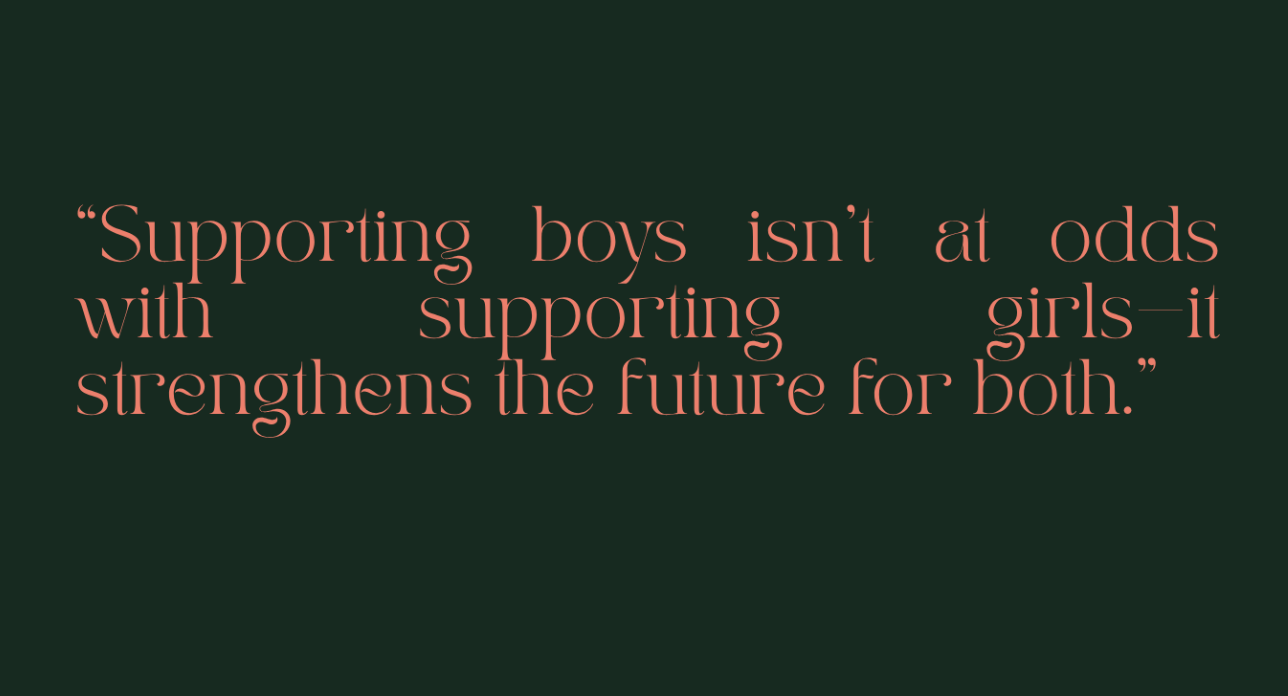
Supporting boys isn’t at odds with supporting girls—it strengthens the future for both.
04) Ages 1-3
I’ve never fully appreciated just how important the first three years of a child’s life are—perhaps because, until now, I hadn’t experienced it firsthand. My son is two, and this conversation really brought into focus the significance of years one to three, particularly in shaping the mother–child relationship.
In many companies, we’re considered “lucky” to receive six to nine months of maternity leave. If you’re self-employed, the reality is even starker—if you don’t work, you don’t earn—and structural support is minimal. One statistic that stood out was that 66% of women don’t want to leave their babies after the first year. That’s not insignificant—it’s the majority of mothers who, given the choice and resources, would choose to stay home longer.
I’ve been fortunate to create some flexibility in my work—though not without compromise—which has allowed me to stay present and connected to my son. I can see the impact of that: he’s curious, confident, and secure. He knows I’m there, but he’s also able to explore and regulate independently.
I’m aware this isn’t the reality for most families. In many cases, returning to work isn’t a choice but a necessity—we live in a system that often requires two incomes to function. In that, real choice is lost. And that sits uneasily with the idea of agency, which feminism has long championed. If most women would choose to spend more time with their children but can’t make it work financially, is that truly agency?
Apologies for the ramble—it was a long evening of watching, reflecting, and taking it all in, and there’s so much more I could say. But in the spirit of BoyHood, it felt worth sharing.
Much of this isn’t new—it’s just not often explored openly or with real depth among families. It can feel as though we’ve been conditioned to grin and bear it. To accept this as normal—and, as mothers, to simply add it to the list of guilt, second-guessing, and constant juggling that already comes with the role.
I think it’s important to acknowledge, through all of this, that boys have needs. And when we open up honest conversations about their needs as children, we are, inevitably, also talking about the needs of men. That shouldn’t be taboo—it should be encouraged.
We need a more balanced conversation—one that doesn’t position the needs of one sex against the other. That framing isn’t helpful. It’s unproductive, and ultimately, it holds everyone back.
One thought that stayed with me was a quote Erica Komisar has shared in other talks: “Every person is a bridge spanning two legacies—one they inherit and one they pass on.”
It feels like a fitting place to pause. We inherit, and we pass on. The question is—what do we want to pass on to our boys?
For anyone interested in watching the full video here it is.It is a long one - but a good one.